§ Research Dossier

An eight-week study of how four young learners chose to speak.

M.A. thesis — classroom action research on Willingness to Communicate in young learner EFL.

Featured · M.A. Thesis · Defended 2026

Enhancing Willingness to Communicate through Speaking Activities in the EFL Classroom

Author
Ngoc Yen Nguyen (Zen)
Supervisor
Sylvia Maciaszczyk, PhD
Context
Polish primary school · Learning Lands 2
4
Grade-2 learners (age 7–8)
8
Weeks of intervention
3
Action-research cycles
5
Speaking task types
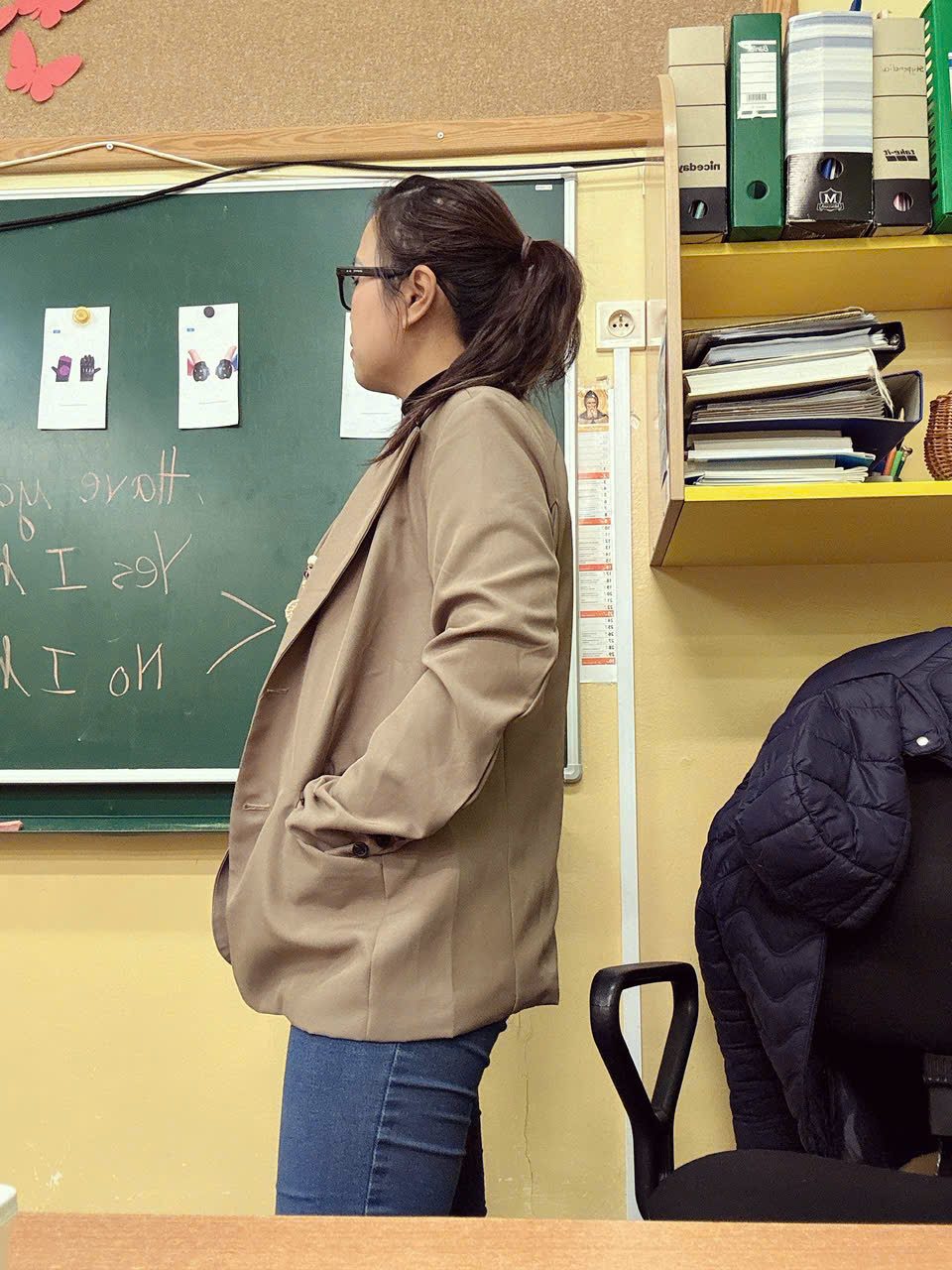
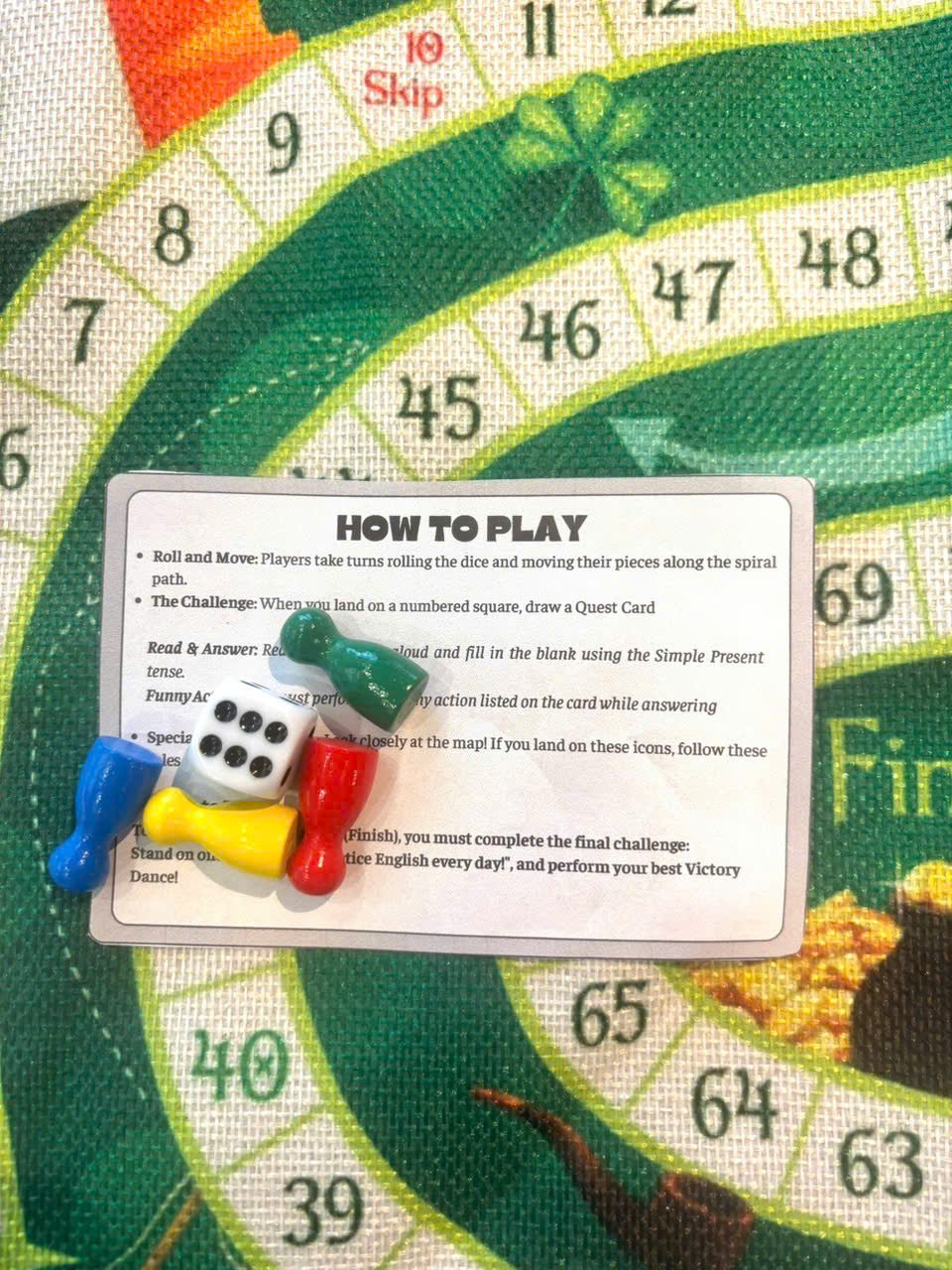
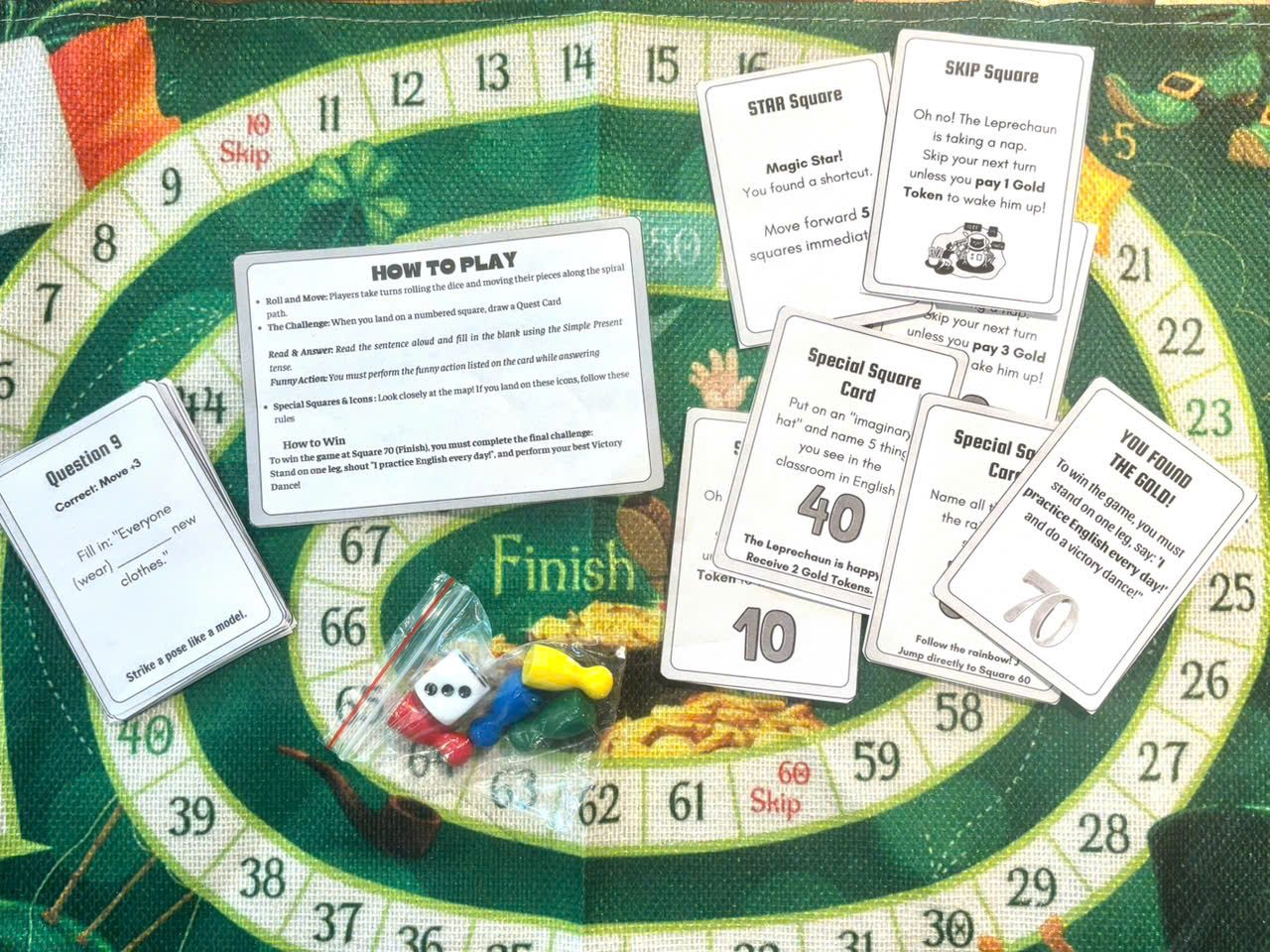
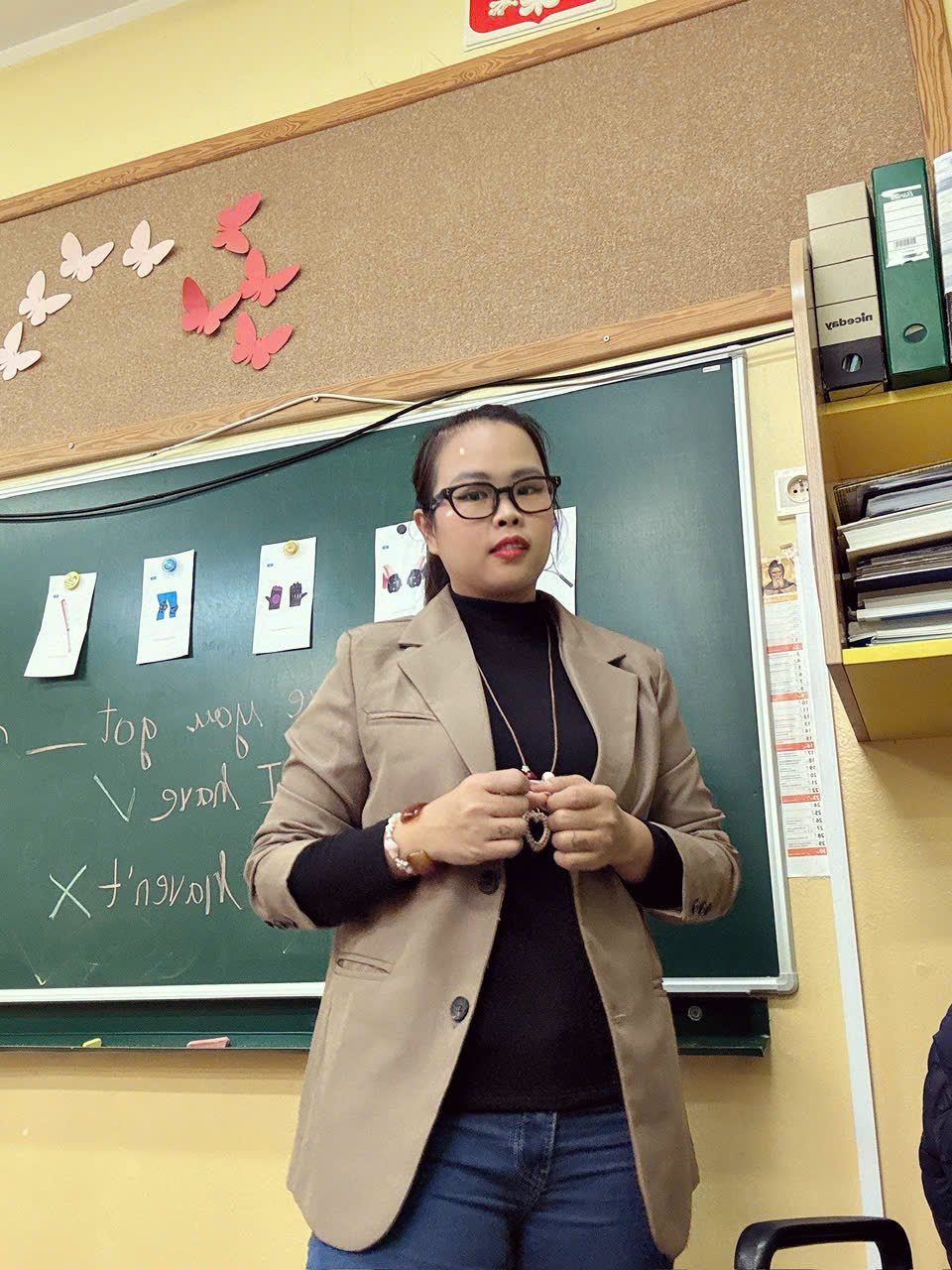
Field plate 1Field plate 2Field plate 3Field plate 4
Plates I–IVWarsaw, 2026
Three of four indicators grew; longer answers remained fragile and task-dependent. WTC in young learners is shaped less by ability than by task type, interaction and felt safety.
— Findings summary, Ch. 4
01 · Why this study

Rationale

Many young EFL learners have enough English to speak — and still stay silent. The classroom problem is rarely linguistic. It is a problem of choice: the moment a child decides, or refuses, to open their mouth.

MacIntyre's L2 Willingness to Communicate (WTC) pyramid frames that moment as the product of trait factors, situational variables, motivation and emotional safety. Most WTC research focuses on adults. This study asks what the construct looks like in Grade-2 learners — and what a teacher can actually do about it, week by week.

02 · Aim & Questions

What the study set out to do.

Stated in Ch. 4 · §4.1 Aim, Design & Instruments.

Aim

To investigate how a sequence of speaking activities influences four observable indicators of WTC in young EFL learners over eight weeks.

  1. RQ1

    How does learners' WTC-related participation change across three action-research cycles?

  2. RQ2

    Which task types most reliably elicit speaking first, asking questions, longer answers and peer-to-peer talk?

  3. RQ3

    What classroom conditions support — or undermine — a learner's choice to speak?

03 · Method

Design: three cycles, one classroom.

A small-scale classroom action-research study with four Grade-2 learners (age 7–8) in a Polish primary school using Learning Lands 2. Each cycle introduced a new activity type, kept what worked, and adjusted to what the children actually did when invited to speak.

Information-gap pairs
Cycle 1 · Weeks 1–3
Opening the floor

Information-gap pairs

Each child held half of a picture set and had to ask, listen and confirm in English. The gap forced talk — first signs of speaking first and asking questions emerged, but answers stayed short and learners often waited to be nominated.

Supported role-play + planning time
Cycle 2 · Weeks 4–6
Lowering the social cost

Supported role-play + planning time

A puppet and short role cards let learners speak through a character. Planning time and explicit scaffolding reduced anxiety, lengthened answers and made peer-to-peer talk more frequent — though one learner regressed when interrupted.

Structured turn-taking + free-topic speaking
Cycle 3 · Weeks 7–8
Speaking on their own terms

Structured turn-taking + free-topic speaking

A talking-token routine guaranteed every learner a turn, then opened into free-topic mini-talks on familiar content. Speaking first and peer interaction became more stable; longer answers remained the hardest indicator to grow.

04 · Measurement

Four indicators, tracked weekly.

Rather than test scores, the study followed four observable participation behaviours — recorded per learner per session in a structured grid, then triangulated with field notes and learner reflections.

01↑ Grew
Speaking first

Self-initiated talk without teacher nomination.

02↑ Grew
Asking questions

Learner-initiated questions to teacher or peers.

03~ Fragile
Longer answers

Multi-clause responses beyond one-word replies.

04↑ Grew
Talking to peers

Peer-to-peer L2 exchanges during tasks.

05 · Key findings

What actually changed across eight weeks.

Finding 01
Three of four grew

Speaking first, asking questions and peer-to-peer talk all increased across cycles.

Finding 02
Longer answers stayed fragile

The hardest indicator to move — sensitive to interruption, fatigue and task framing.

Finding 03
Task type matters more than ability

Information-gap opened talk; role-play lengthened it; free-topic stabilised it.

Read Chapter 4 · Discussion of Findings
06 · Limitations

Honest about scope.

  • Small sample (n = 4) — findings are illustrative, not generalisable.
  • Teacher-as-researcher role: same person designed, taught and observed.
  • Eight-week scope captures shifts, not long-term stabilisation of WTC.
  • No control group — change is described, not causally attributed.
  • Observation instruments were adapted, not standardised.
07 · Recommendations

Five things a teacher can try on Monday.

  • Activity continuum
    Sequence from information-gap → role-play → free-topic, not single isolated tasks.
  • Planning time
    Give 30–60 s of silent rehearsal before any speaking turn.
  • Structured turn-taking
    Use a token or rotation to guarantee every learner a turn.
  • Playful, familiar content
    Anchor free talk in pets, weekend, food — topics learners already own.
  • Weekly WTC tracking
    Track 4 observable indicators per learner per week — not test scores.
08 · Outputs

From inquiry to artefact.

Thesis, instruments, materials and international dissemination.

§ Continue

The full thesis reads as a long-form essay — with audio narration and Vietnamese translation.